Mastering Mediterranean Patterns in Digital Art with Procreate Brushes
The allure of the Mediterranean coast has long captivated artists, designers, and travelers alike. From the sun-drenched terracotta roofs of Tuscany to the intricate tile work of Moroccan riads and the azure waters of the Greek islands, this aesthetic is defined by warmth, texture, and a distinct sense of history. For digital creators, capturing this essence requires more than just color selection; it demands tools that can replicate the organic, handcrafted feel of traditional media. This is where specialized Mediterranean patterns come into play, offering a bridge between classical design and modern digital workflow.
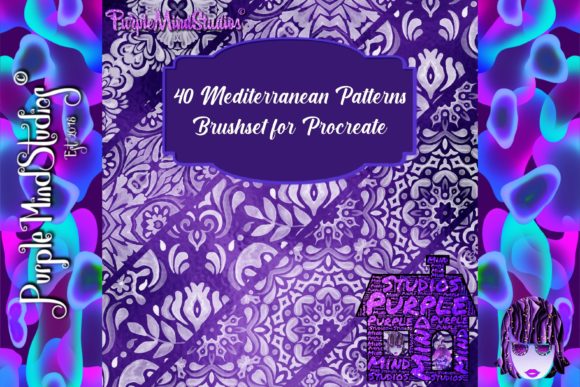
However, navigating the world of digital assets requires understanding compatibility and functionality. It is crucial to note from the outset that these brushes are only compatible with the Procreate app. This exclusivity ensures that the brush engines are optimized for the specific capabilities of iPadOS, providing a seamless experience for users within that ecosystem. By leveraging these 40 high-quality, beautiful Mediterranean patterns, artists can infuse their work with a sophisticated, regional charm that resonates with audiences seeking authenticity and visual depth.
The Versatility of Adjustable Pattern Sizes
One of the most significant advantages of using pattern brushes over static image overlays is the level of control they offer regarding scale and placement. In traditional digital design, applying a pattern often involves importing a seamless tile, adjusting its size, and masking it into shape. This process can be rigid and time-consuming, especially when working on complex compositions with varying focal points. The brush format revolutionizes this workflow by making the pattern sizes easily adjustable simply by changing the size of the brush.
This dynamic scalability makes them suitable for applying to smaller objects in your artwork without losing resolution or clarity. Imagine illustrating a ceramic vase inspired by Majolica pottery. With a static image, you might struggle to wrap the pattern around the curvature of the vessel realistically. With these brushes, you can paint the pattern directly onto the form, adjusting the brush size to match the perspective and contour of the object. Whether you are adding a subtle border to a wedding invitation or creating a bold backdrop for a social media graphic, the ability to scale instantly allows for a more intuitive and fluid creative process.
Furthermore, this adjustability supports a non-destructive workflow. Artists can experiment with different scales to find the perfect balance between detail and negative space. A larger brush stroke might serve as a dominant visual element, while a smaller, finer application can add texture and interest to background areas. This flexibility is essential for professionals who need to adapt their designs for various formats, from large-scale prints to small mobile screens.
Achieving the Watercolor-Esque Aesthetic
The visual character of these Mediterranean patterns is defined by their soft, watercolor-esque appearance. This stylistic choice is not merely aesthetic; it serves a functional purpose in digital composition. Hard-edged, vector-like patterns can often feel cold or mechanical, lacking the human touch that viewers subconsciously connect with. The watercolor effect introduces irregularities, soft edges, and subtle variations in opacity that mimic the behavior of pigment on paper.
This organic quality is particularly effective in evoking the relaxed, rustic atmosphere associated with Mediterranean culture. It suggests hand-painted tiles, weathered frescoes, and linen textiles, adding a layer of narrative to the artwork. For educators and hobbyists, this feature lowers the barrier to entry for achieving professional-looking results. Users do not need advanced skills in blending modes or texture mapping to achieve a sophisticated look; the brush engine handles the complexity, allowing the artist to focus on composition and color theory.
Moreover, the softness of the patterns allows them to integrate seamlessly with other artistic elements. They do not compete aggressively with typography or central illustrations but rather support them, creating a harmonious visual hierarchy. This makes them an excellent choice for branding projects, packaging design, and editorial layouts where readability and aesthetic appeal must coexist.
Enhancing Depth Through Layer Duplication
While the default application of these brushes provides a delicate, airy feel, there are times when a bolder statement is required. The beauty of this digital toolset lies in its adaptability. The watercolor-esque appearance can also be made bolder simply by duplicating the layer upon which you’ve painted the pattern. This technique is a fundamental principle in digital art, allowing for the accumulation of pigment and intensity without altering the original brush settings.
By stacking layers, artists can create a sense of depth and richness that mimics the buildup of actual paint. Each additional layer deepens the colors and reduces the transparency, transforming a whisper of pattern into a shout of color. This method is particularly useful for creating focal points or emphasizing specific areas of a design. For instance, in a landscape illustration, you might use a single layer of a tile pattern for distant buildings to suggest detail without distraction, while using three or four duplicated layers for foreground elements to bring them forward visually.
This approach also offers greater control over the final output. Artists can adjust the opacity of individual layers to fine-tune the intensity, creating gradients of pattern density within a single object. This level of nuance is difficult to achieve with static images and highlights the power of using brush-based patterns for complex, layered compositions.
Practical Applications for Creators and Businesses
The utility of these 40 high-quality patterns extends beyond personal art projects. For business owners and professional designers, they represent a valuable resource for creating distinctive brand assets. The Mediterranean aesthetic is currently trending in industries ranging from hospitality and tourism to beauty and lifestyle products. Brands that wish to convey feelings of relaxation, luxury, and natural beauty can leverage these patterns to strengthen their visual identity.
- Packaging Design: Use the patterns to create unique labels for olive oils, wines, or cosmetics, evoking the origin and quality of the product.
- Web and App Backgrounds: Implement subtle pattern textures as backgrounds for websites or mobile apps to add visual interest without compromising user experience.
- Social Media Content: Create eye-catching posts and stories for Instagram or Pinterest, where aesthetic consistency is key to audience engagement.
- Print-on-Demand Products: Apply the patterns to textiles, stationery, and home decor items, offering customers unique, artisan-style designs.
For educators, these brushes can serve as teaching tools in digital art courses. They provide students with immediate access to complex textures, allowing them to focus on learning composition, color harmony, and digital painting techniques. By removing the technical hurdle of creating patterns from scratch, students can experiment more freely and develop their artistic voice more quickly.
Considerations for Optimal Use
To get the most out of these Mediterranean patterns, users should consider the context in which they are applied. While the watercolor style is versatile, it may not be suitable for designs requiring sharp, geometric precision or corporate minimalism. Understanding the target audience and the message of the design is crucial. Additionally, since these brushes are exclusive to Procreate, users must ensure they have the necessary hardware and software. This limitation ensures a high-quality experience for Procreate users but means that those working in other platforms like Photoshop or Illustrator will need to seek alternative solutions.
It is also important to consider color palettes. Mediterranean designs often feature earthy tones, blues, whites, and terracottas. While the brushes can be used with any color, pairing them with a complementary palette will enhance the thematic coherence of the artwork. Experimenting with blend modes in Procreate can further expand the possibilities, allowing the patterns to interact with underlying colors in unexpected and creative ways.
In conclusion, these 40 high-quality, beautiful Mediterranean patterns offer a powerful tool for digital artists seeking to infuse their work with warmth, texture, and cultural resonance. Their adjustability, organic aesthetic, and compatibility with layering techniques make them a versatile addition to any Procreate user’s library. Whether you are a professional designer, a hobbyist, or an educator, these brushes provide the means to create stunning, authentic artworks that capture the spirit of the Mediterranean. Enjoy the process of exploration and creation, and let these patterns inspire your next masterpiece.